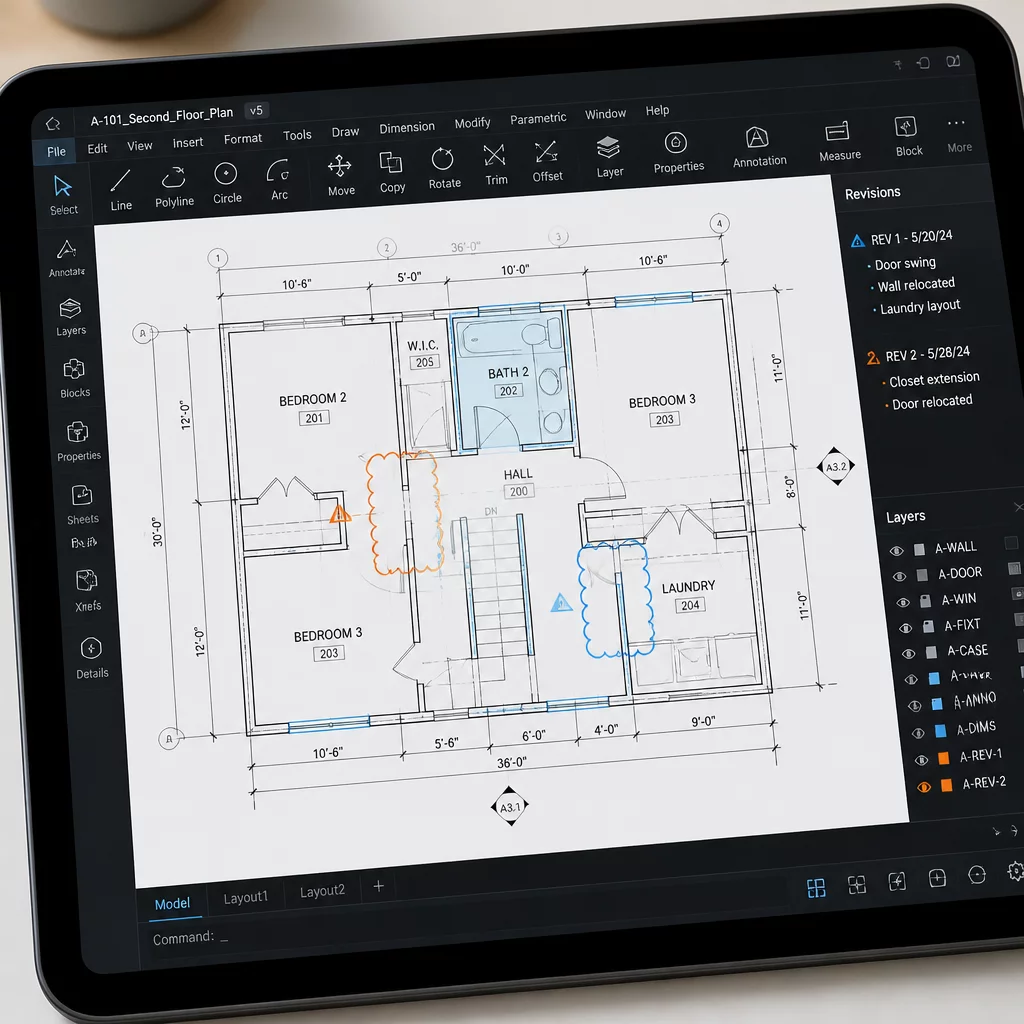
How We Decode AEC Revisions & Conflict Ownership
The DrawingOutcome methodology is a structured, systematic approach to parsing design discrepancies and version collisions in complex construction projects. We analyze how multi-layered revisions impact design ownership, helping teams establish order out of chaotic documentation timelines.
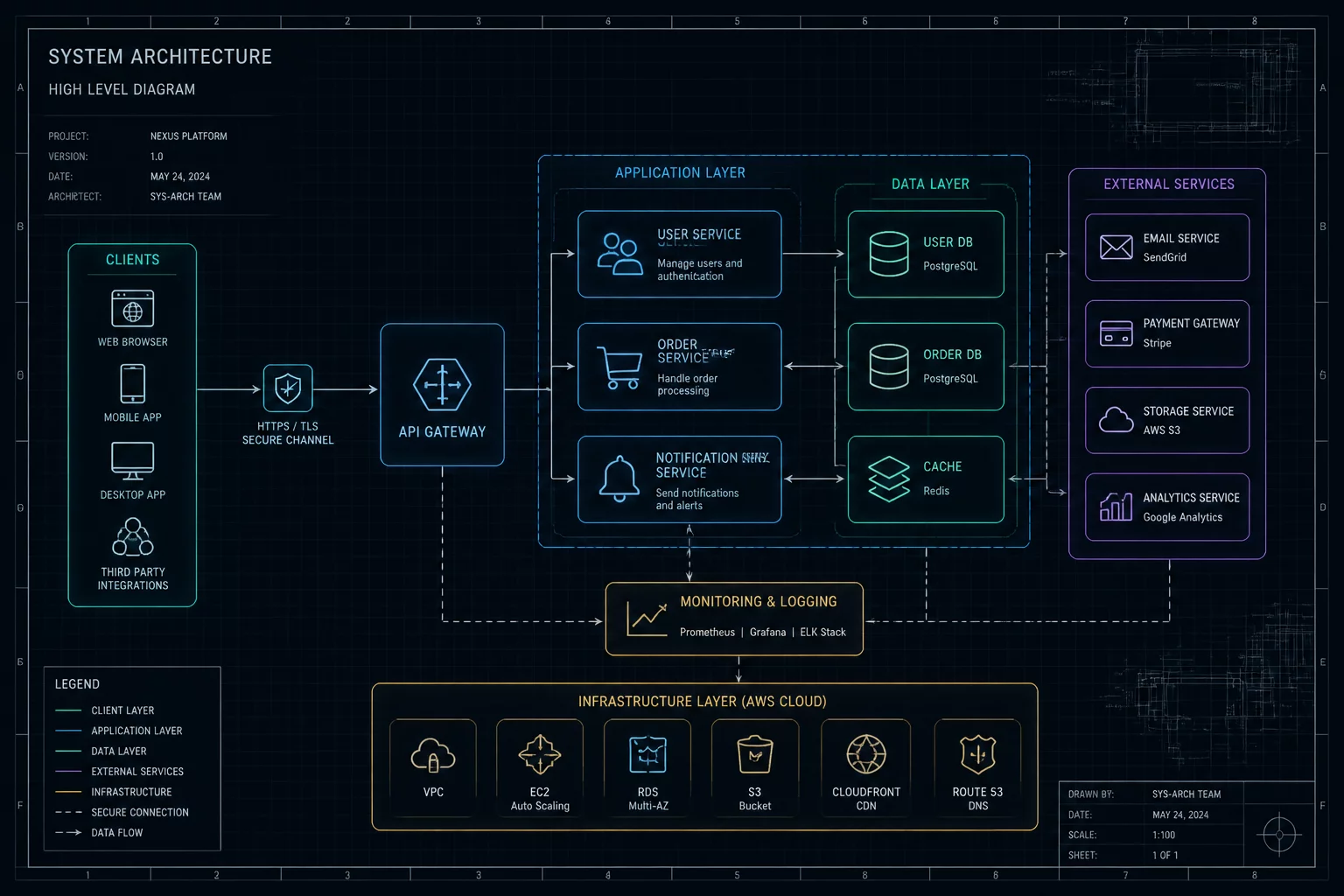
The Pillars of Our Assessment
Understanding our core framework for tracking structural updates and design accountability.
Revision Auditing
We extract and catalog successive layers of design files. By identifying hidden updates, we map the chronological chain of changes from concept to site execution.
Conflict Discovery
AEC workflows involve overlapping zones. We cross-reference architectural layouts, structural grids, and mechanical drawings to flag discrepancy errors early.
Ownership Mapping
Assigning accountability is crucial. We link specific changes back to authorized revisions, showing which party initiated each update and the resulting timeline updates.
Interactive Process Simulator
Examine the operational steps of our analysis method. Click any stage below to see how our framework tracks drawings, catalogs conflicts, and drafts clear resolution pathways.