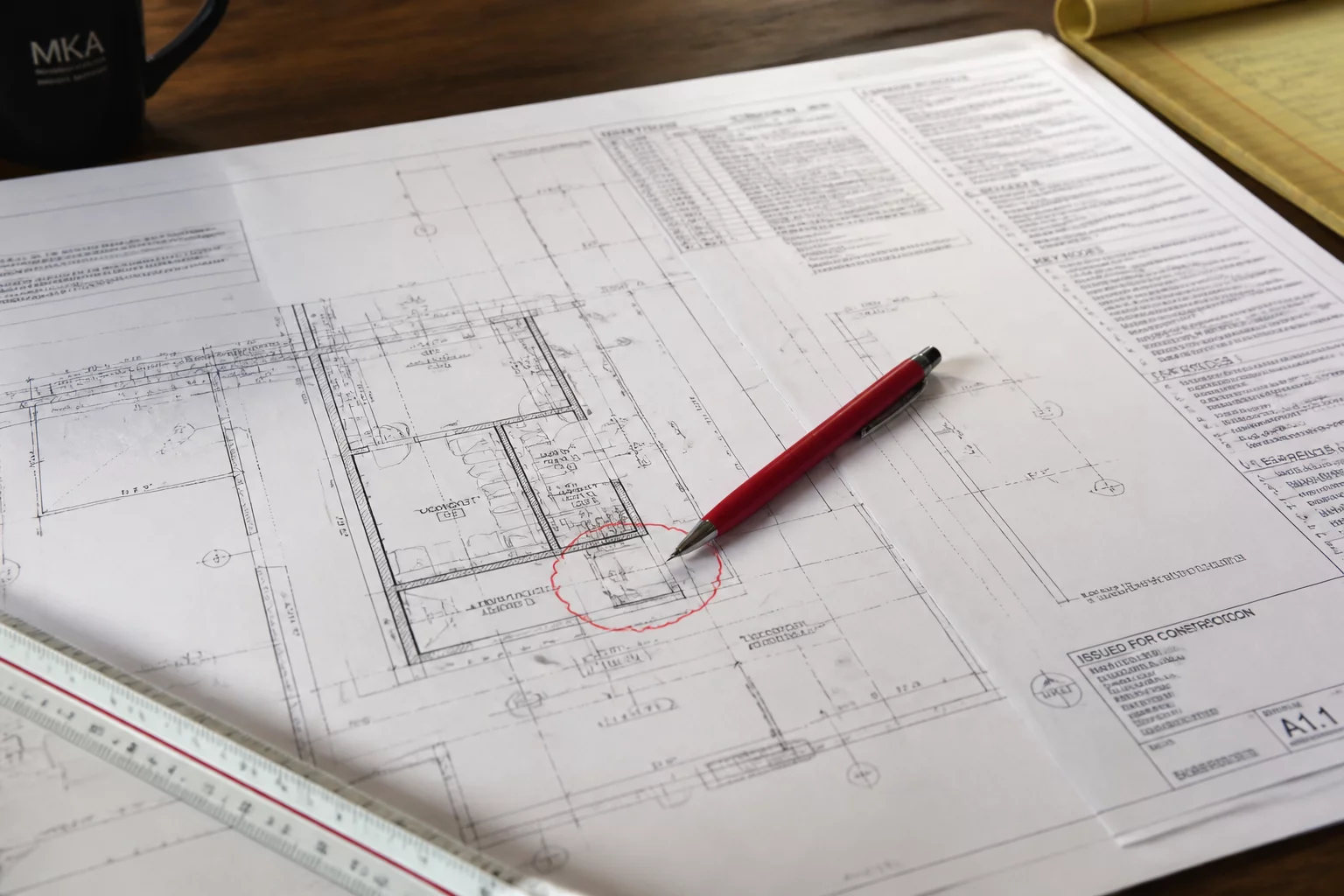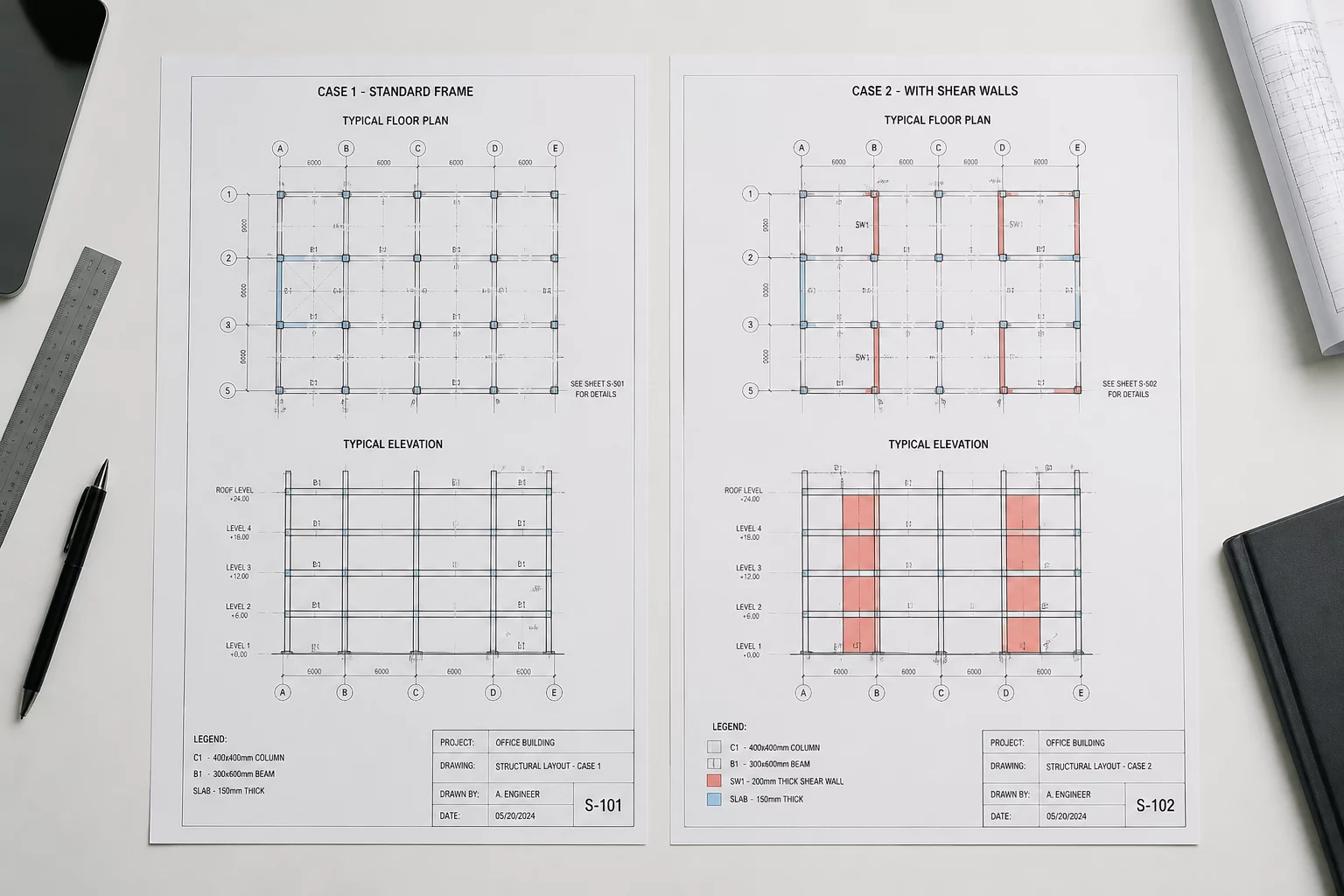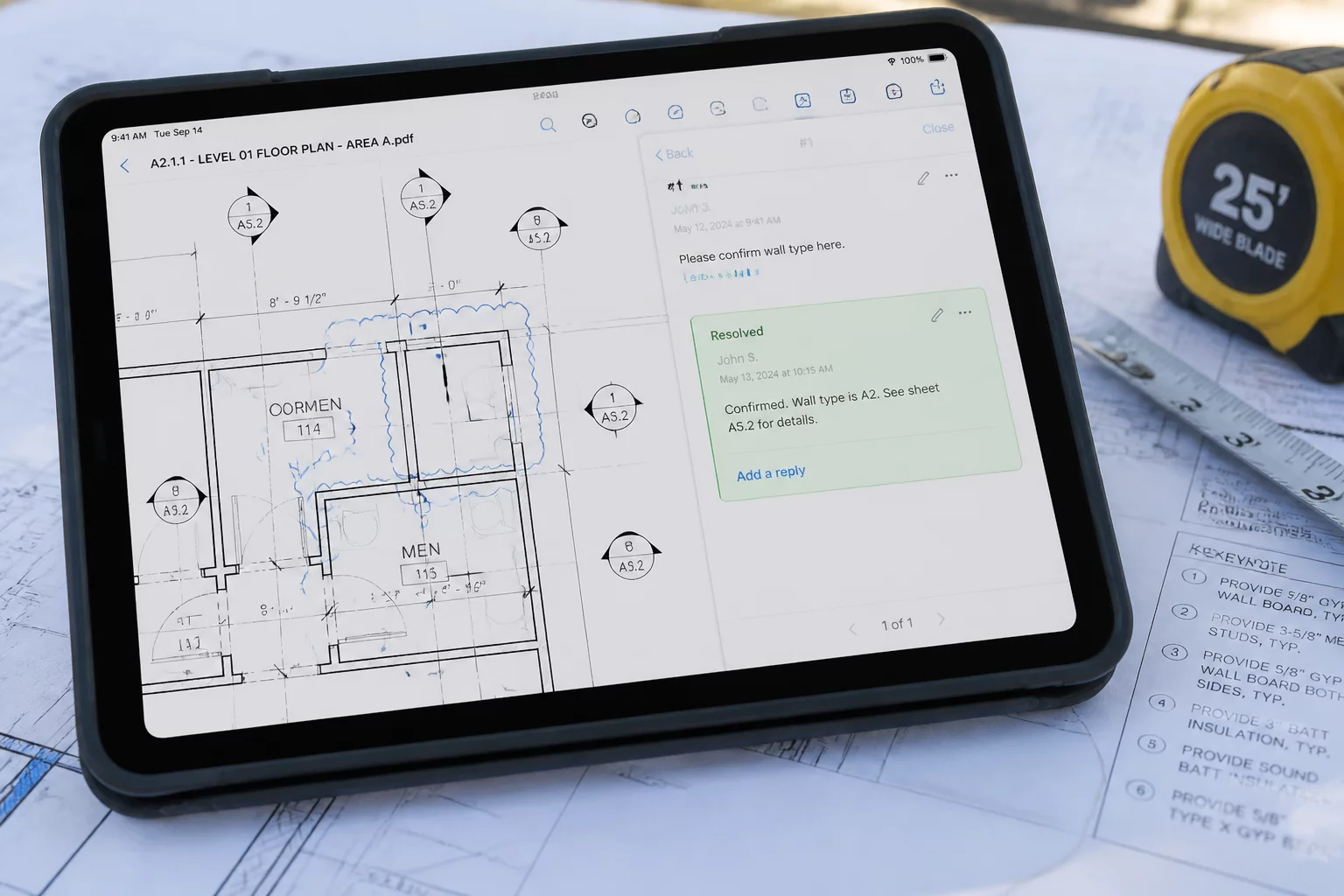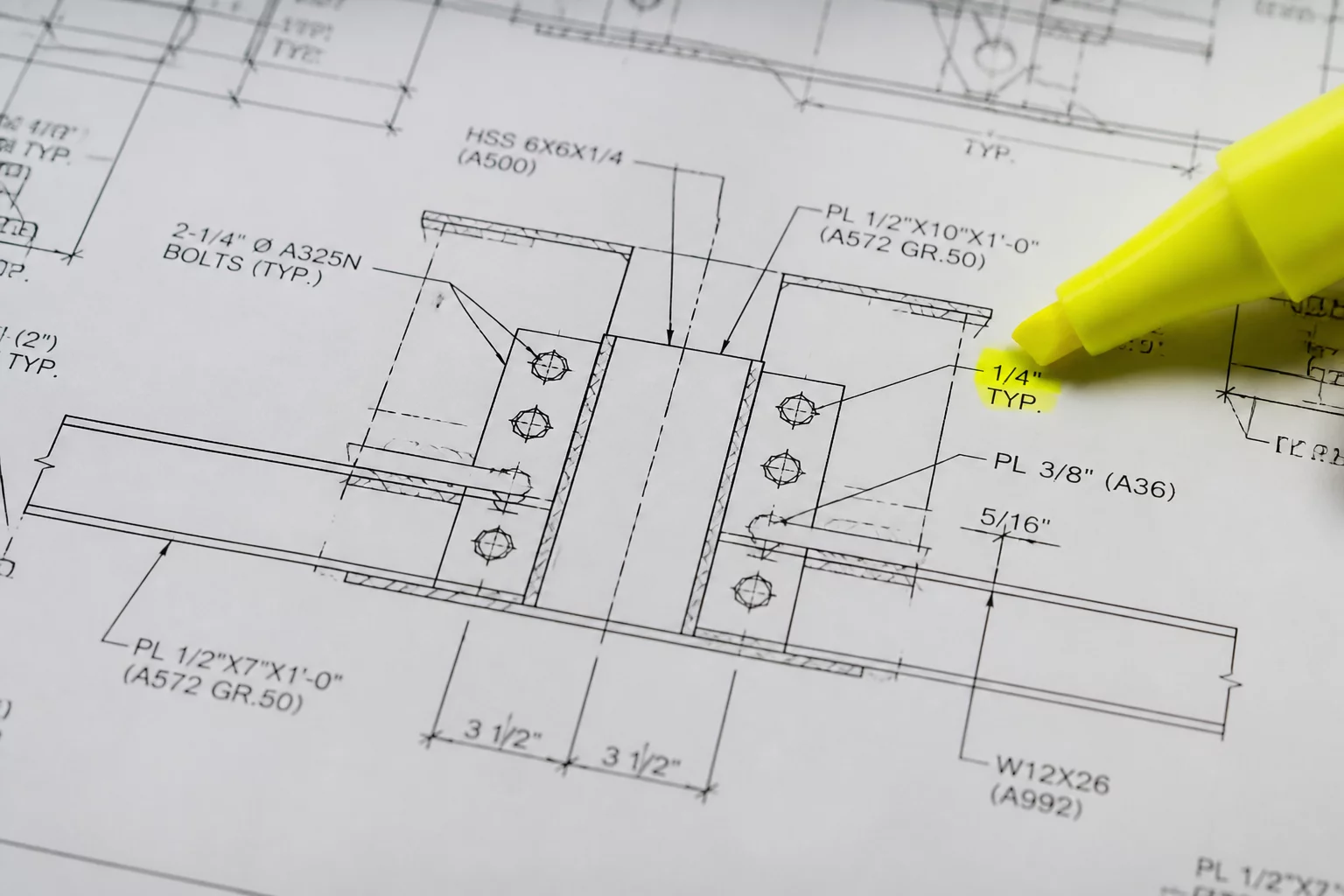
Explore practical cases about revisions, clarification questions, conflicting information, ownership, and follow-up.
Calculate the direct impact of unresolved drawing contradictions, missing ownership, and delayed review cycles on your engineering workflow.
Get a customized analysis of your drawing coordination workflow. We will identify structural bottlenecks and communication gaps.
A structured breakdown of our step-by-step review integration, conflict tracking, and ownership alignment starting from August 2026.
We ingest current drawing sets, align structural grids with architectural backgrounds, and establish the initial conflict log to track discrepancies immediately.
We execute conflict audits between structural, architectural, and MEP layouts. Decision owners are assigned to every unresolved query to prevent orphaned comments.
We transition into ongoing quality gates. Regular audits verify that all revision histories are archived, and closure comments are fully resolved before final handoff.
Whether you partner with us or choose another provider, verifying their quality assurance methodology is vital. Use these targeted questions to evaluate their technical depth and risk management processes.
Explore our decision matrix to see how we handle complex drawing discrepancies.
View Decision MatrixA reliable contractor must have a clear hierarchy of truth. They should explain how they cross-reference grids, overlay plans using digital tools, and document the discrepancy immediately for the design lead's final decision before proceeding with fabrication.
Incomplete communication is a major cause of construction errors. Ask if they use automated tracking logs (like Bluebeam Revu status tracking) and whether they require a formal sign-off from the author of the question before a thread can be marked as resolved.
A minor change in architectural layout can clash with MEP routing. The contractor should demonstrate a multi-disciplinary review process where any change triggers a notification or mini-review cycle for all affected engineering disciplines.
When everyone reviews a change but nobody owns the decision, critical details slip through. The contractor must define a clear matrix of responsibilities, identifying a single "Decision Owner" for each category of resolution.
Using old design files leads to massive rework. Verify if they enforce strict document control protocols, automated file version checks, and real-time cloud synchronization to ensure every team member works with the latest backgrounds.
Delays in decisions can stall the entire project. The contractor should have a predefined escalation path and impact notification system that alerts stakeholders of schedule implications if approvals are not received within a set timeframe.
A transparent, step-by-step process designed to eliminate coordination errors, assign ownership, and guarantee clear outcomes.
We perform a deep-dive comparison of all architectural, structural, and MEP sheets. Our system flags mismatched coordinates, dimensional gaps, and outdated backgrounds.
A comprehensive markup log highlighting every conflict area and contradictory sheet reference.
The confirmed list of anomalies to be investigated, ensuring no false alarms waste your time.
A minor detail in one discipline can severely impact another. We map dependencies to show how structural shifts force changes in MEP routing or architectural finishes.
An interactive dependency matrix and a clash map detailing cross-trade physical conflicts.
The priority list of critical coordination paths that require immediate engineering attention.
Reviews fail when everyone comments but nobody owns the final decision. We assign a single Decision Owner to each coordination query to eliminate endless email loops.
A responsibility assignment matrix (RACI) detailing who answers and who decides on each open item.
The designated decision-makers list, locking in liability and action items for each party.
Once decisions are made, they are integrated back into the drawings. We verify that all comments are properly closed with documented answers.
A fully coordinated, marked-up PDF set and a clear decision log explaining the revision reasons.
The final design release and case file closure, signaling that drawings are ready for fabrication.
Analyze real-world scenarios where drawing reviews led to conflicting requirements, unresolved issues, and final decisions.
How a structural modification to resolve a clearance issue inadvertently altered mechanical routing paths.
A coordination conflict where architectural elevations and structural details showed mismatched foundation depths.
Tracking how a critical design query in Bluebeam was marked resolved prematurely, leading to site clashes.
A minor electrical conduit modification that compromised the fire-rated partition integrity.