
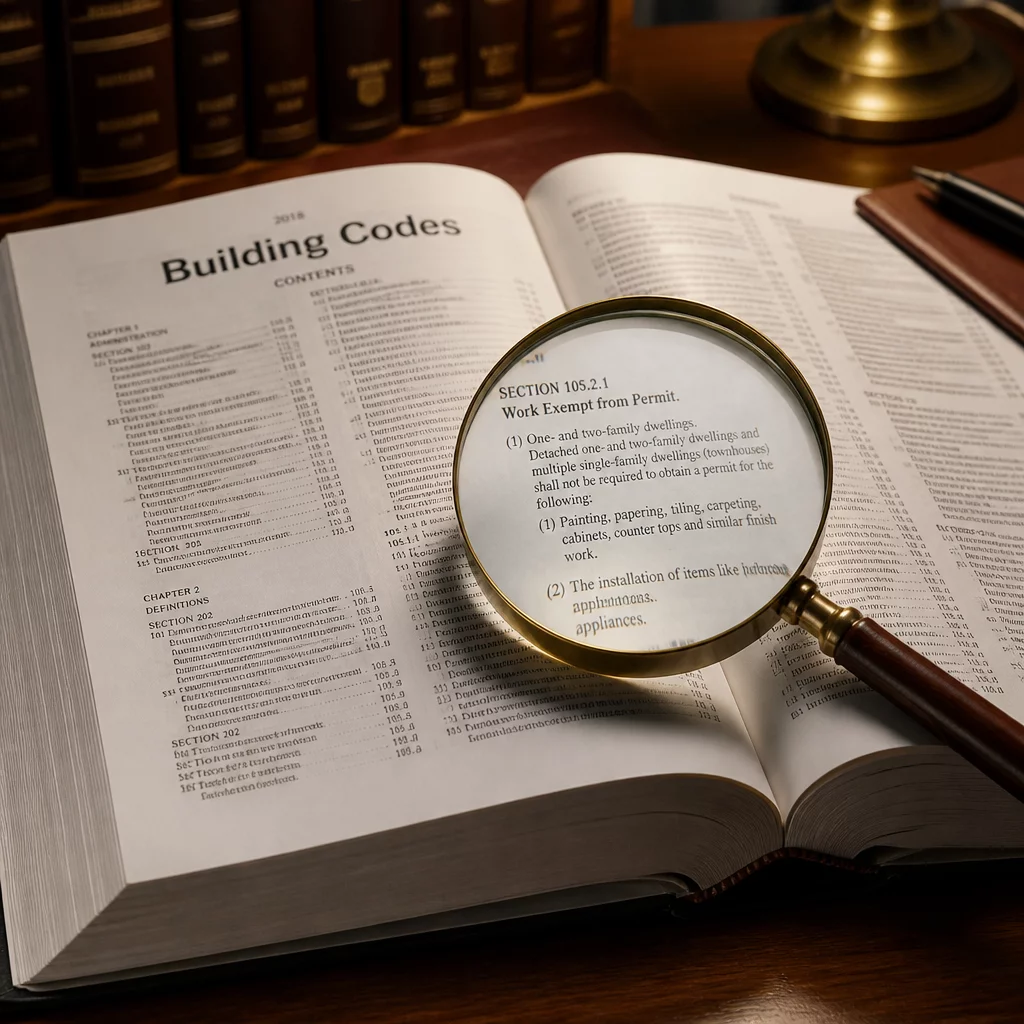
Code compliance ambiguity is one of the most persistent challenges in modern AEC projects. When local municipal amendments, state building codes, and federal accessibility standards overlap, design teams frequently encounter contradictory mandates. In many cases, drawings are submitted for review with annotations that satisfy one jurisdiction but inadvertently violate another, leading to costly delays, construction halts, or post-occupancy litigation.
Consider a scenario where a high-density residential project requires a specific fire-rated assembly. The local municipal code permits a standard assembly with local design adjustments, whereas the state fire code enforces a more stringent standard that does not recognize those adjustments. If the review process fails to resolve this discrepancy before drawing publication, the contractor may build an assembly that is subsequently rejected during the field inspection.
Identifying the Roots of Compliance Ambiguity
This ambiguity usually stems from three main factors:
- Regulatory Overlap: Multiple governing bodies asserting jurisdiction over the same architectural element without clear precedence hierarchy.
- Vague Code Language: Provisions within the code that permit multiple, subjective interpretations by individual code officials.
- Outdated Standards: Design documents referencing older iterations of codes that have since been superseded by newer state or local mandates.
Resolving these conflicts requires a structured decision matrix. By establishing a clear sequence of authority—often prioritizing the most restrictive code unless local statutes explicitly dictate otherwise—project teams can publish drawings with high confidence and minimal regulatory risk.
No comments yet. This could be your first comment.